
Brave
What beats us down might actually be the very thing we need to grow...
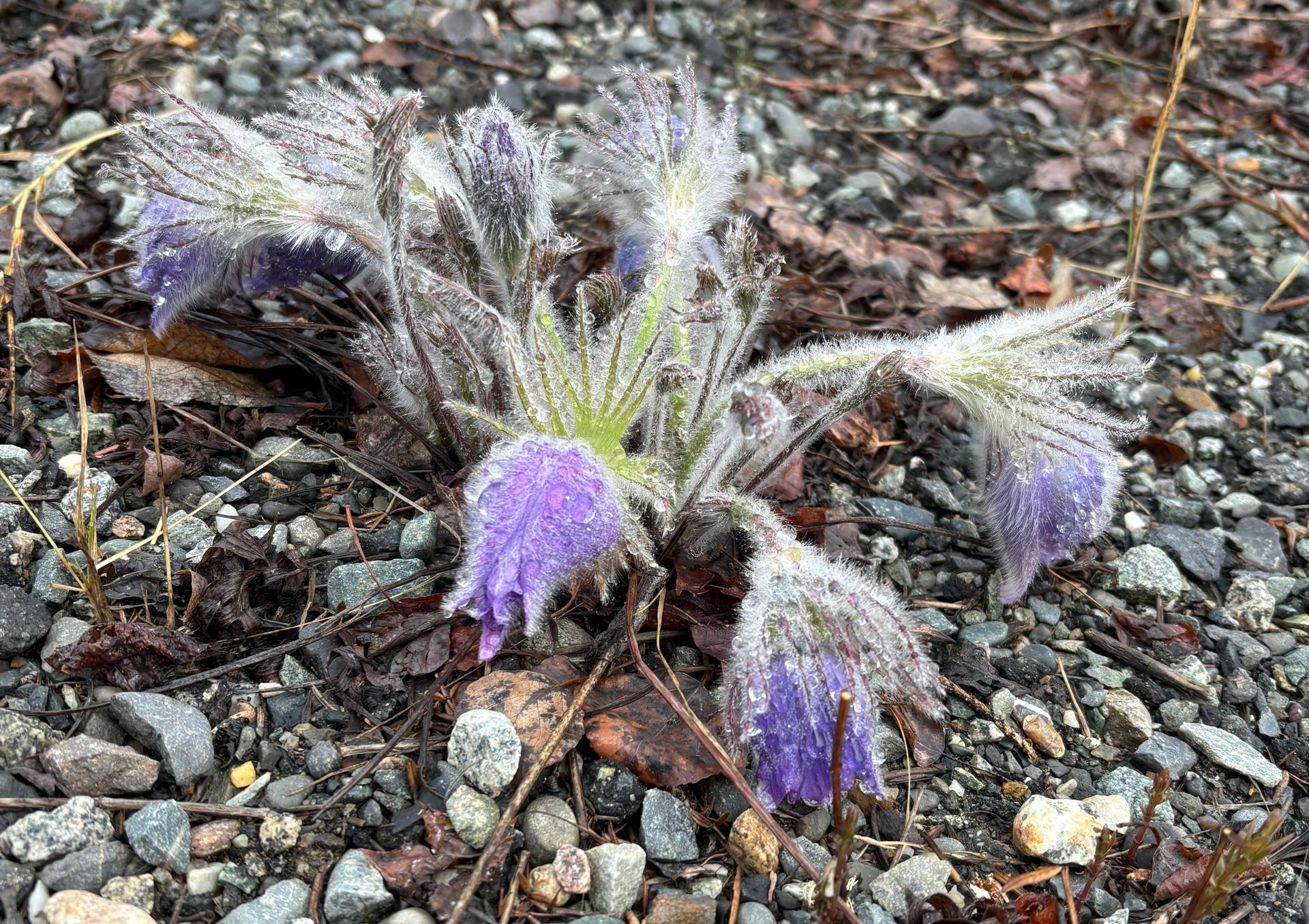
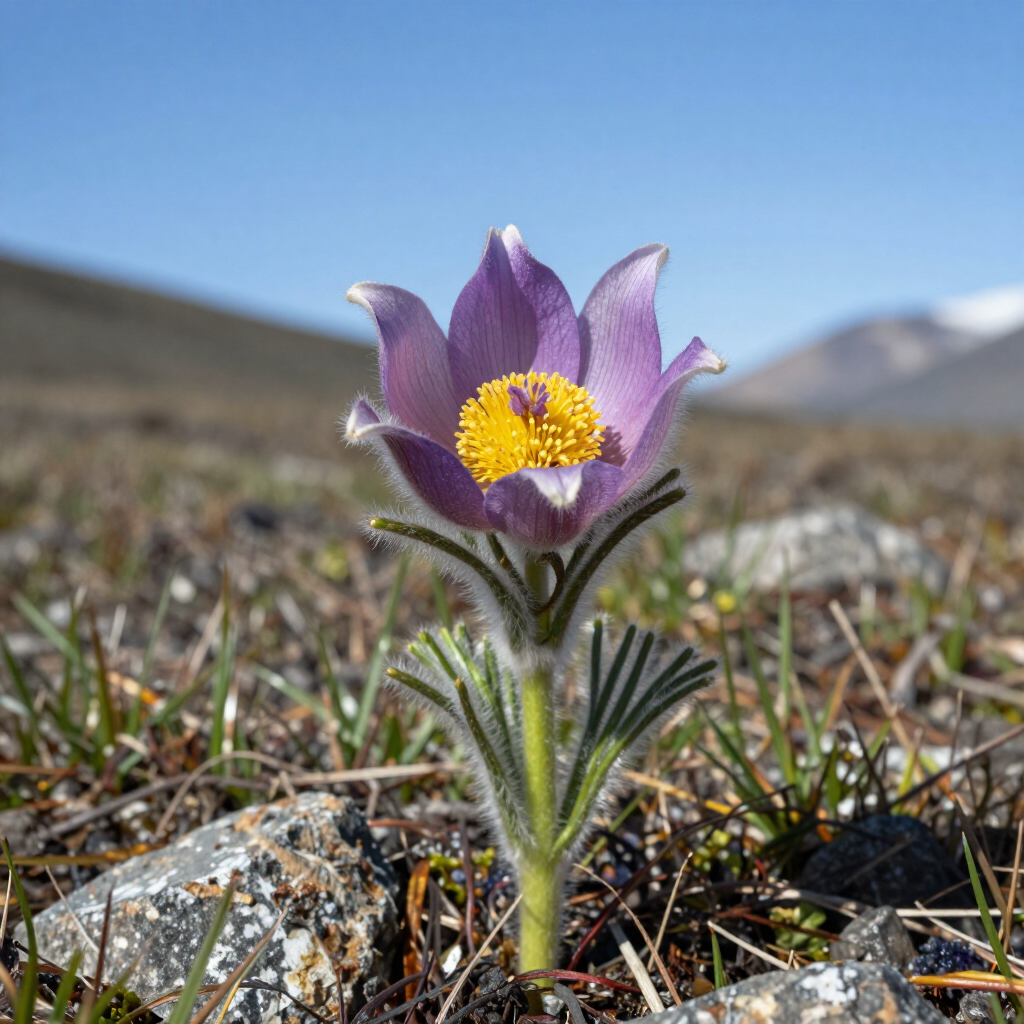
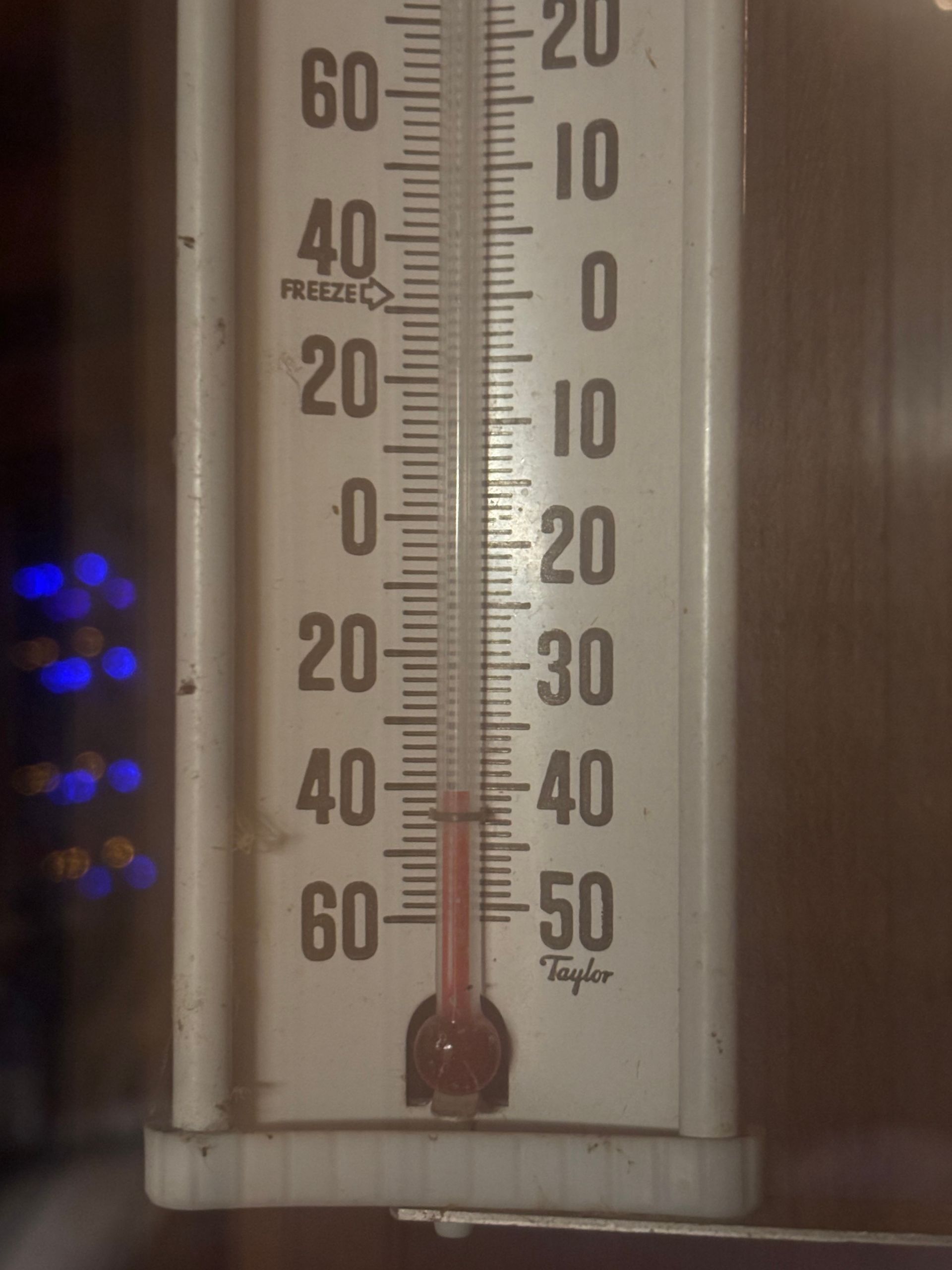
Pasque flowers, often called crocuses by Alaskans, are the very first flower to pop in Interior Alaska. We judge the winter by them. After a normal winter you'll see pasque flowers on May 1st. Even when it seems impossible, with snow still on the ground, a few barren places will spring up with these purple symbols of the hope of summer. But a very cold winter, like we had this year, won't yield pasque flowers until a week or even 10 days later. This spring, after the coldest winter in 80 years, I didn't see pasque flowers until May 14th! But no matter, it is one of the joys of life in Alaska to look and wait and hope and watch for the first pasque flower.
If we were going to indulge ourselves in the realm of anthropomorphism, pasque flowers might be called brave. They are the first ones up in the still icy clutches of winter's grasp. They do have a few adaptations that equip them for their rough start, and they must get something out of the deal because they keep coming back, year after year. They have furry stems and leaves, to hold onto as much heat as possible during the chilly nights of early May when temps still dip below freezing. They can even endure a snowfall. That little blanket of fuzz can make all the difference. They often take root in the warm, protected duff under spruce trees, where snow depth is shallower, and dark colored needles soak up the sun's rays. They also like the warm roadsides, where melt water and sunshine abound. They choose their spots carefully, or rather, natural selection chooses it for them.
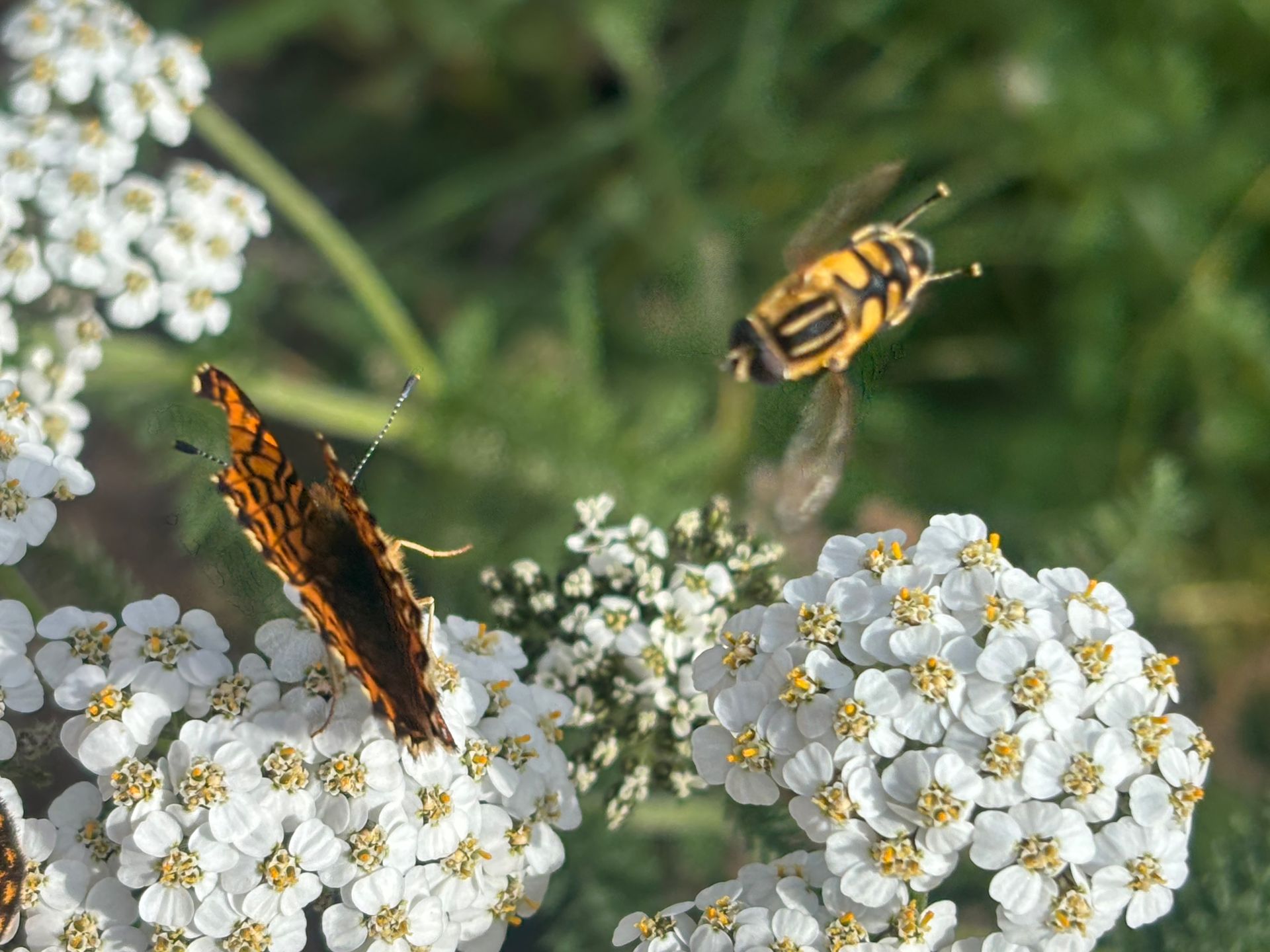
Why do the Pasque Flowers endure the still freezing temperatures of May? Why not wait until the warmer solstice sun banishes freezing temps in June, for at least a month out of the year? (Usually.) Well, think about this: if you were a flower, and you wanted to (here we go with anthropomorphism again) be selfish and get ALL the pollinators for yourself, when would you sprout? When there were NO OTHER flowers up yet, that's when! The early flower gets the insect, as they say. If there are any mosquitos, bees, butterflies, or other insects out at the crack of spring. pasque flower gets ALL of their "buzziness!" Soon lupine and shooting stars and arnica will arrive to give some friendly competition, but for the first half of May, pasque flowers are the only game in town when it comes to pollinators.
One morning, as I was out running, I came upon a bunch of pasque flowers, who seemed so dejected and beaten down by the cold cold rain. It didn't seem fair! They had worked so hard to bloom, to grow, to endure the cold snaps that May always brings, and here they were, getting pounded down by the rain. But I know one thing about pasque flowers that they might not even know about themselves yet - the rain might beat them down so that their bent little necks are almost touching the ground, but as soon as the sun comes out they will stand up straight and grow even taller than before. The very rain that is beating them down is the exact thing they need to flourish.
Have you ever felt like a dejected pasque flower? You worked so hard to bloom where you were planted, even when the conditions were rough, only to encounter the worst rainstorm of your life? Perhaps you took a risk, and bloomed even when no one else was brave enough, only to have life beat you down? If it hasn't yet - it will, don't worry. The rain always comes.
But know this - the lesson we learn from the pasque flower is that the rain never lasts forever, it gives you what you need to grow, and a sunny day is always ahead.