

Who knew that the Blue Morpho had a mini-me in Alaska?! It just took a zoom lens and an afternoon run on a sunny day to discover it.
The Butterflies and the Bees - a pollination frenzy
Deb Alsup • July 30, 2026
Time is short and their biological clocks are ticking...
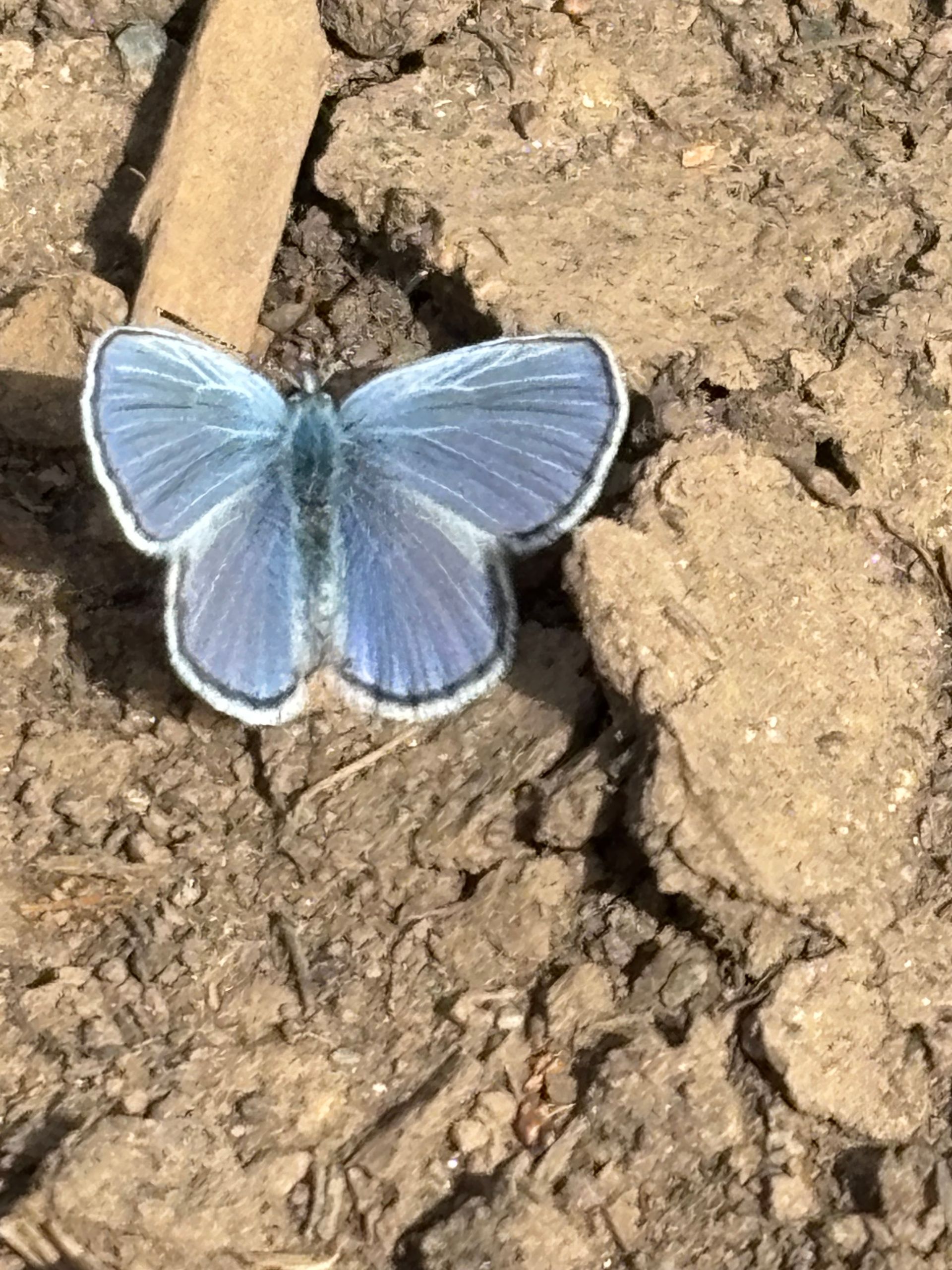
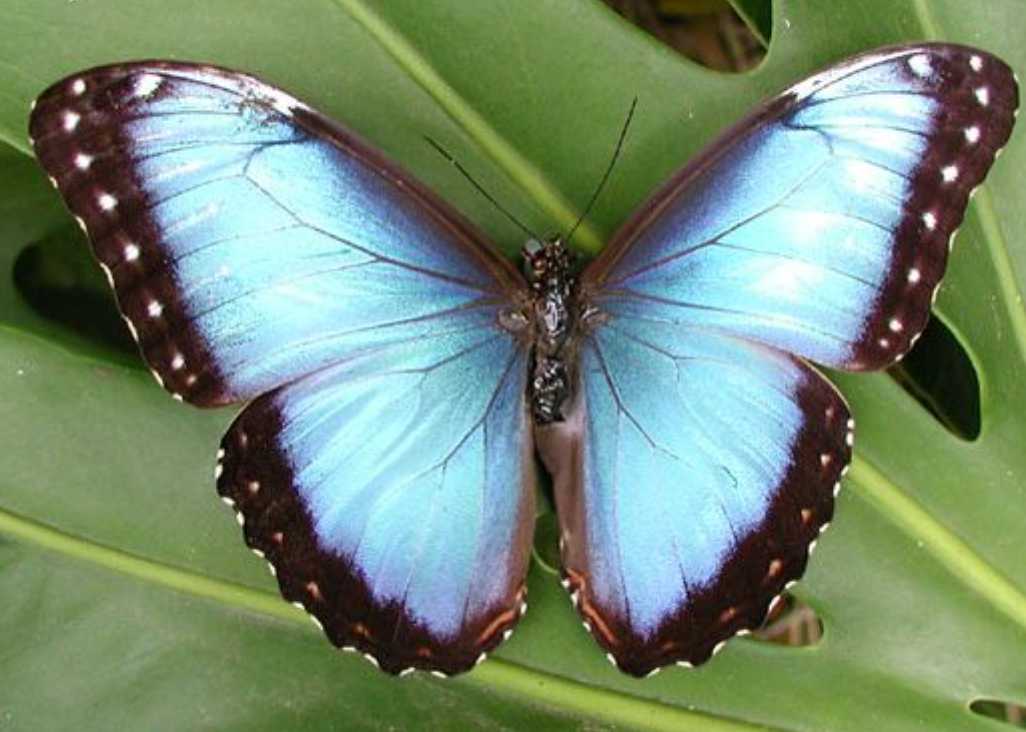
Yesterday I walked outside and thought, "This feels like fall." Even though it got up to 70 degrees today, there is a different chill in the air now in the mornings. The end of July definitely can begin to feel like fall in Alaska. And on my run this afternoon the insect world was all a-buzz as butterflies and bees were everywhere. It seemed as if they, too, felt that time was short.
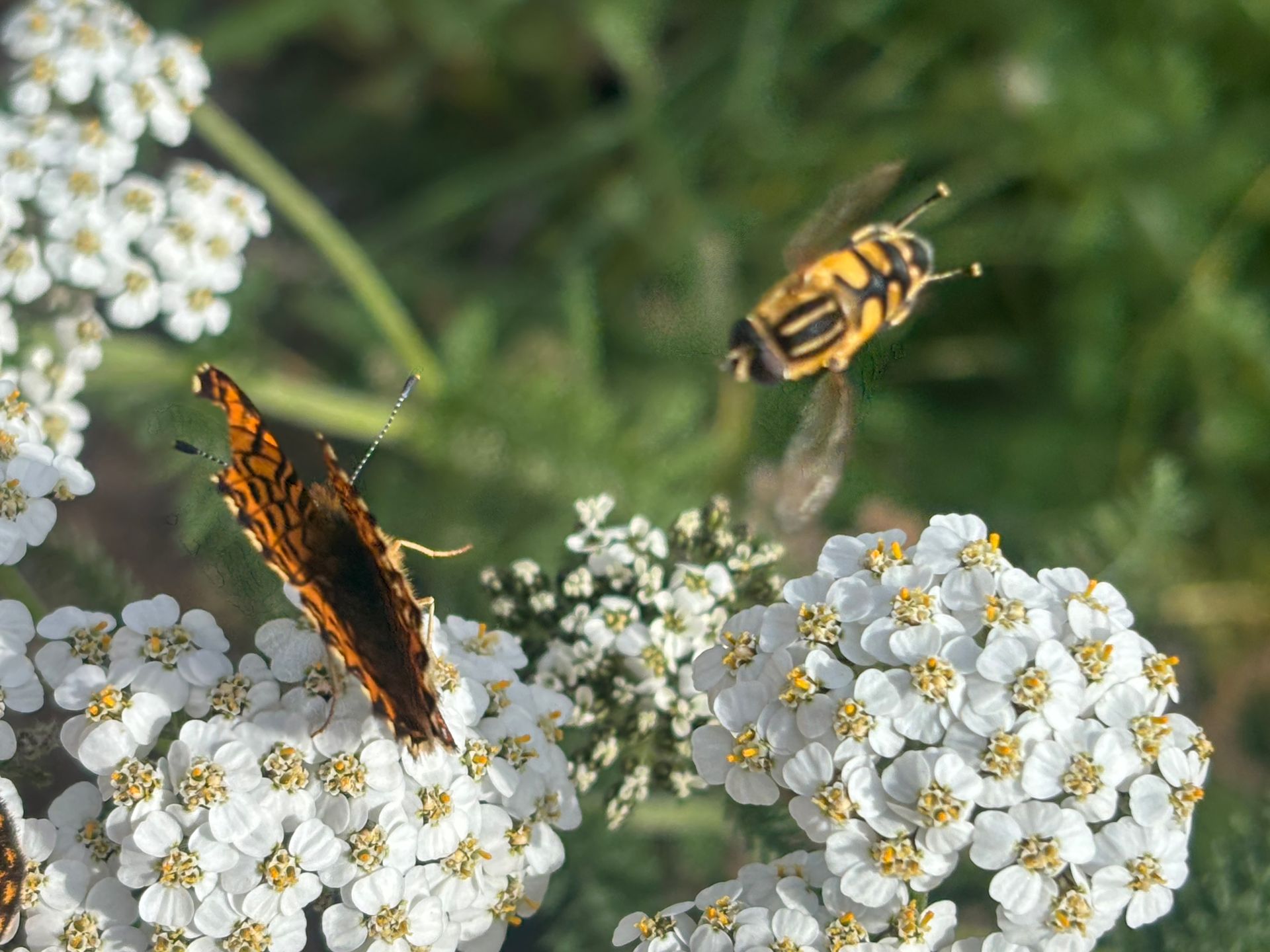
I saw hundreds of the two species pictured above - Silvery Blues (Glaucopsyche lygdamus) and the orange and black Arctic frittilary (Boloria chariclea)- vying for the yarrow and purple aster flowers lining the dirt road I was running on. They were almost oblivious to me as I photographed their frenzy of pollination, sometimes two or three on a single flower. On one lucky opening of the shutter a bee flew by an Arctic fritillary and I caught the wings in stop action mid flight!
The Silvery Blue begins its life as a bluish green egg laid on labrador tea or lupine plants, both of which were plentiful on this dirt road. It hatches after 4-6 days, beginning its journey to a pupa through a voracious appetite for its host plants. It sometimes has symbiotic relationship with ants, exchanging food for protection. The ants tend to the caterpillars, protecting them from predators like wasps, and the caterpillars secrete a sugary substance that the ants like to eat. Do either of them realize what they are giving the other? I doubt it. Pure instinct, developed in harmony over the centuries, maybe even millenia, has allowed both of these creatures to thrive in this harsh environment. They need each other. Alaskans tend to do the same thing, surviving as a community together in this extreme and beautiful land.
Once the Silvery Blue has reached its final molt, about 3/4 of an inch long, it wanders off of its host plant to find cover in leaf litter or under rocks and enters its hibernation phase as a chrysalis. It can spend up to 10 months in this phase, waiting out the -60 degree F winters for its chance to hatch, eat, and mate in its own frenzy the next summer.
I have spent quite a bit of time in the beautiful, steamy tropics of Central and South America, and never cease to be delighted by the sighting of a Blue Morpho butterfly (Morpho peleides). Today as I zoomed my camera in on the Silvery Blue I couldn't believe the similarities between the Blue Morpho I loved in Costa Rica, and the Silvery Blue I usually take for granted in Alaska. Although not quite as teal and bright, and more, well, silvery and blue, by taking a moment to look closely, I saw that it was all the same, a delightful, gorgeous, intricate creature of the sort you'd expect to see in the tropical rainforest! The similarity does not extend to its lifecycle, however. The Blue Morpho, in constrast to the Silvery Blue's 10 month pupation, spends just 14 days in its chrysalis! It can complete one full lifecycle in just 3 months.
Who knew that the Blue Morpho had a mini-me in Alaska?! It just took a zoom lens and an afternoon run on a sunny day to discover it.
Soon our flutter of busy-ness preparing for winter will be upon us, just like the insects. There is meat to hunt and process for the freezer, vegetables to harvest, berries to pick, wood to cut, split, and stack (30 cords for the Lodge! Ouch!). We watch the weather closely for when our beautiful flowers will freeze, and bring in hanging baskets many nights, until one night we get caught unawares and then the flower season is abruptly over. Before the first snow we try to gather up all the yard tools, things we left on the deck, or in the garden. (Inevitably in the spring we find something we left out that has also been hibernating all winter under the snow.) Each season has its own beauty in Alaska, and one of the things I love is how drastically the seasons change, but fall is all too short with many things to do before we set in for our long winters' nap. For now, I'm enjoying every ray of sunshine, every flower, and every warm day, just like the bees and the butterflies.
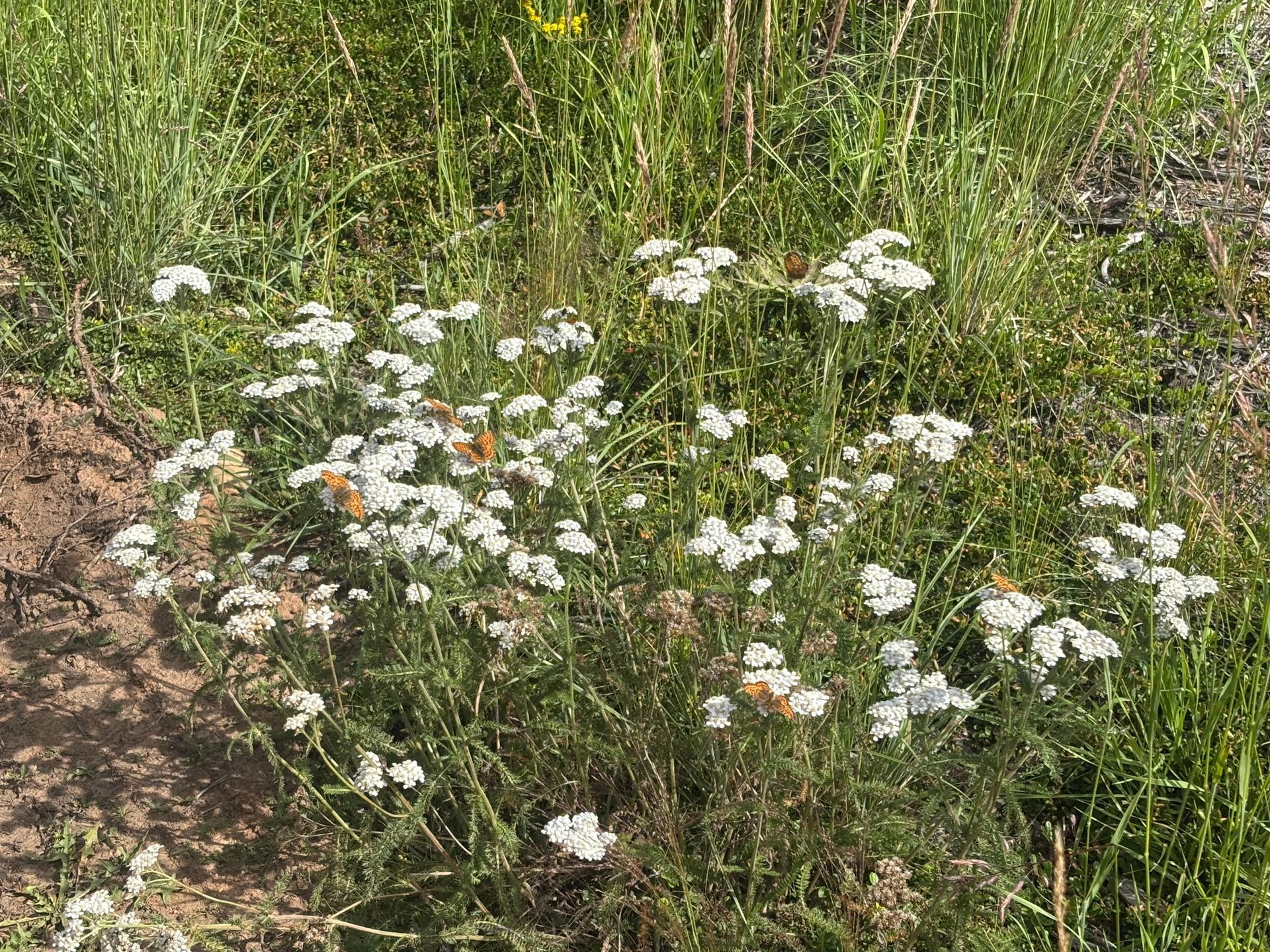
See how many insects you can find in this picture! They were everywhere!
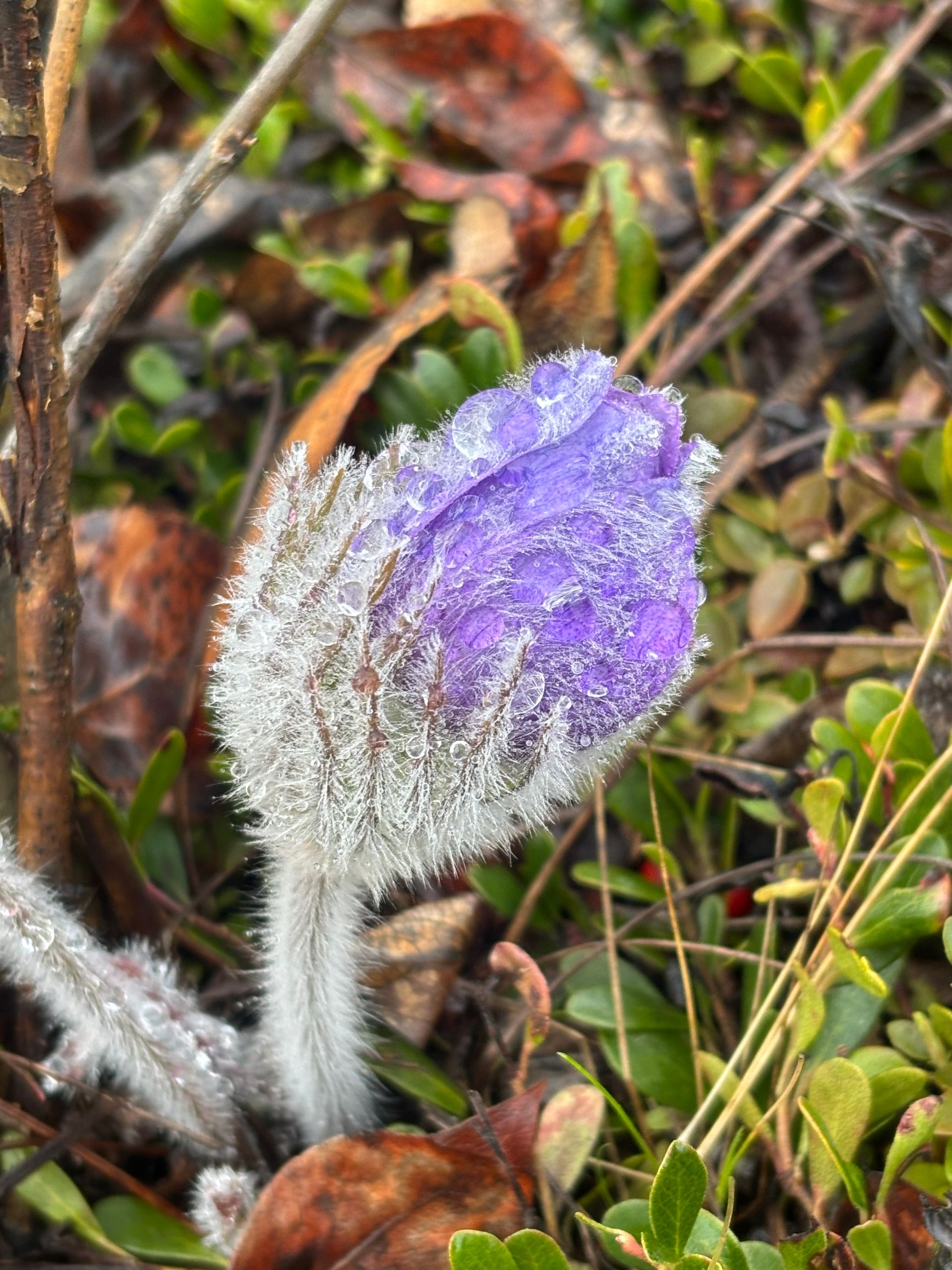
Experience the Alaskan wilderness at our lodge. Book direct for the best rates and enjoy a unique getaway!
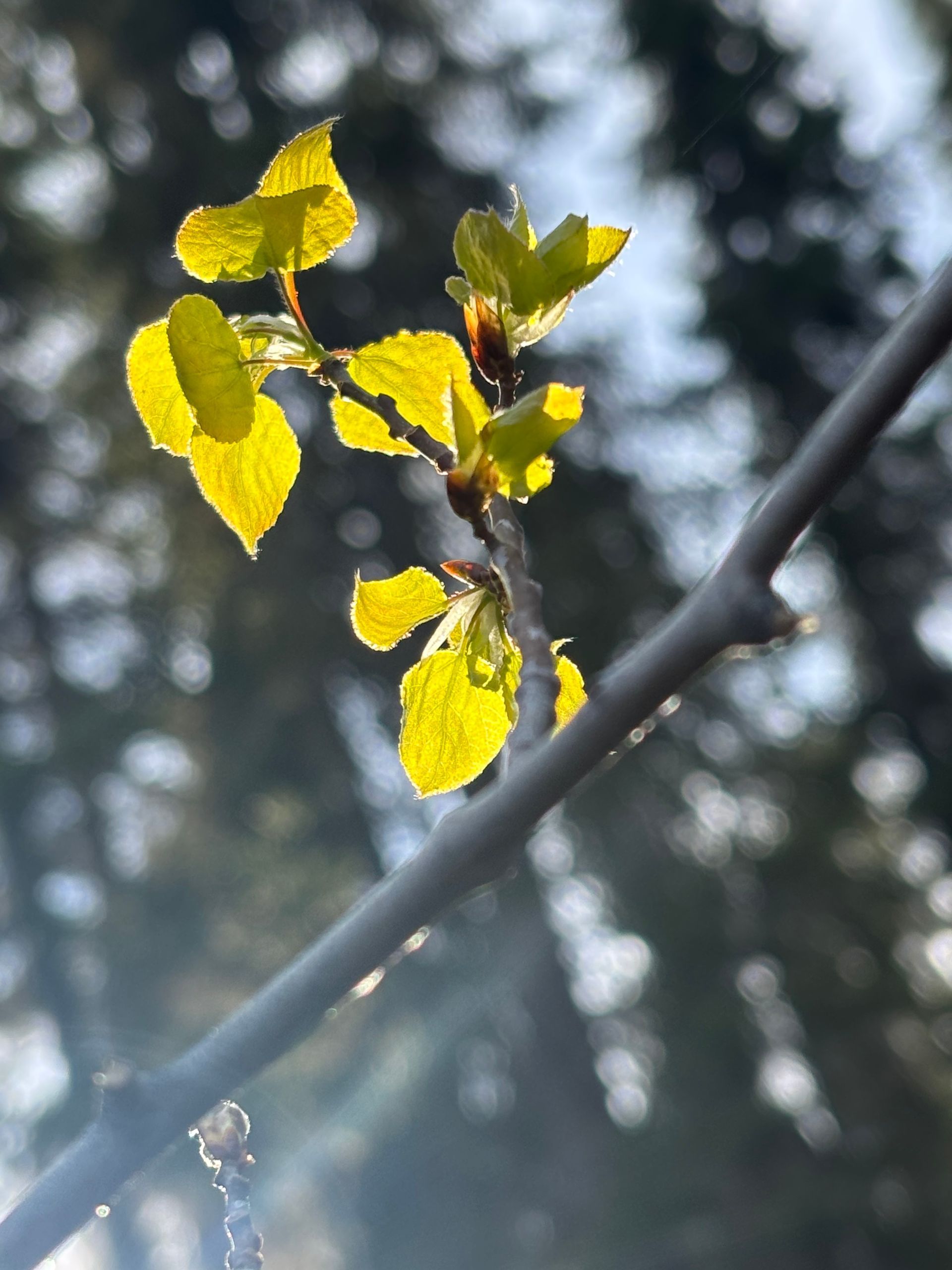
Experience the beauty of spring in Alaska. Book direct for the best rates at our lodge in Tok Valley!
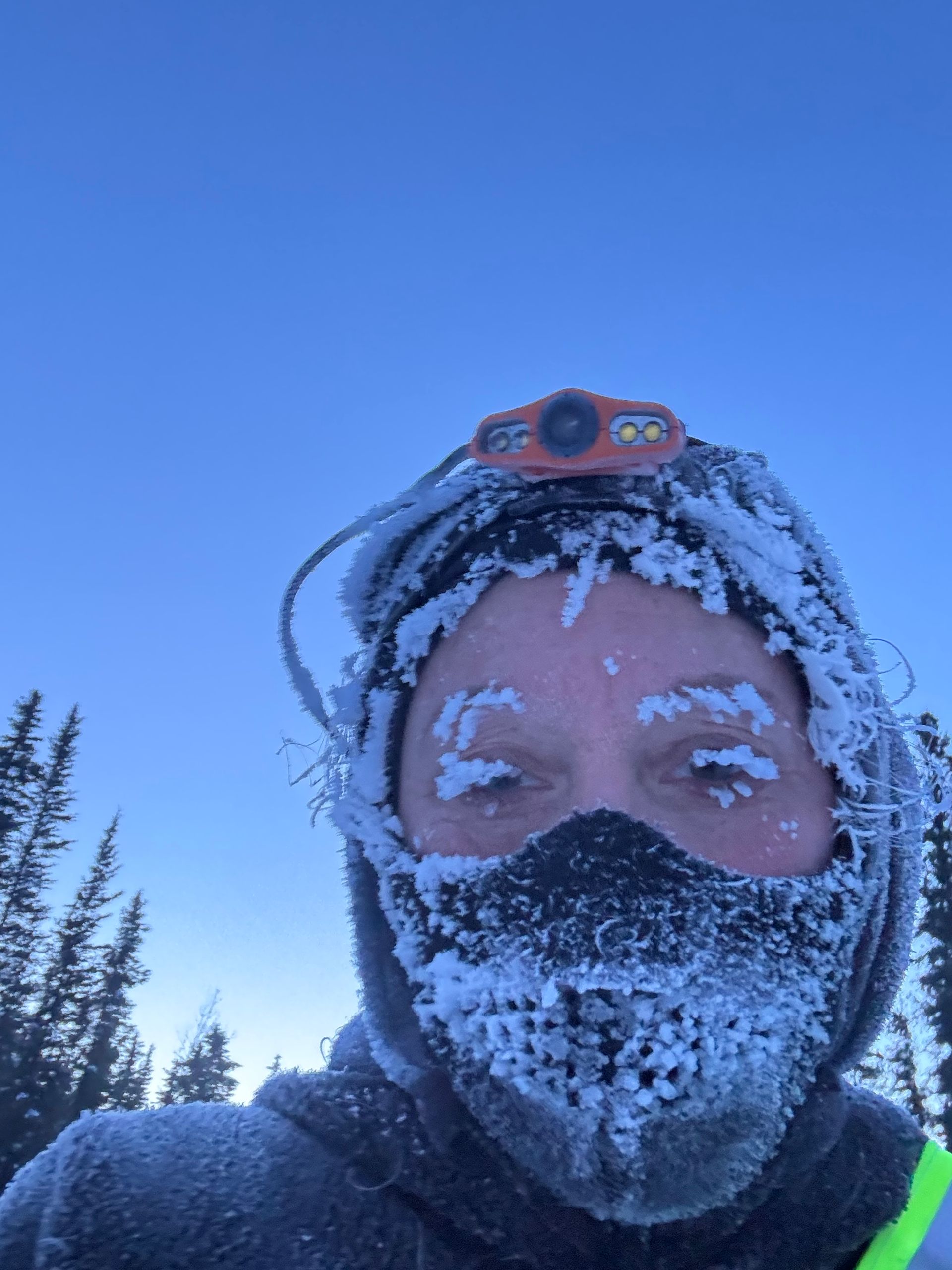
Experience the Alaskan wilderness at our lodge. Book direct for the best rates today!
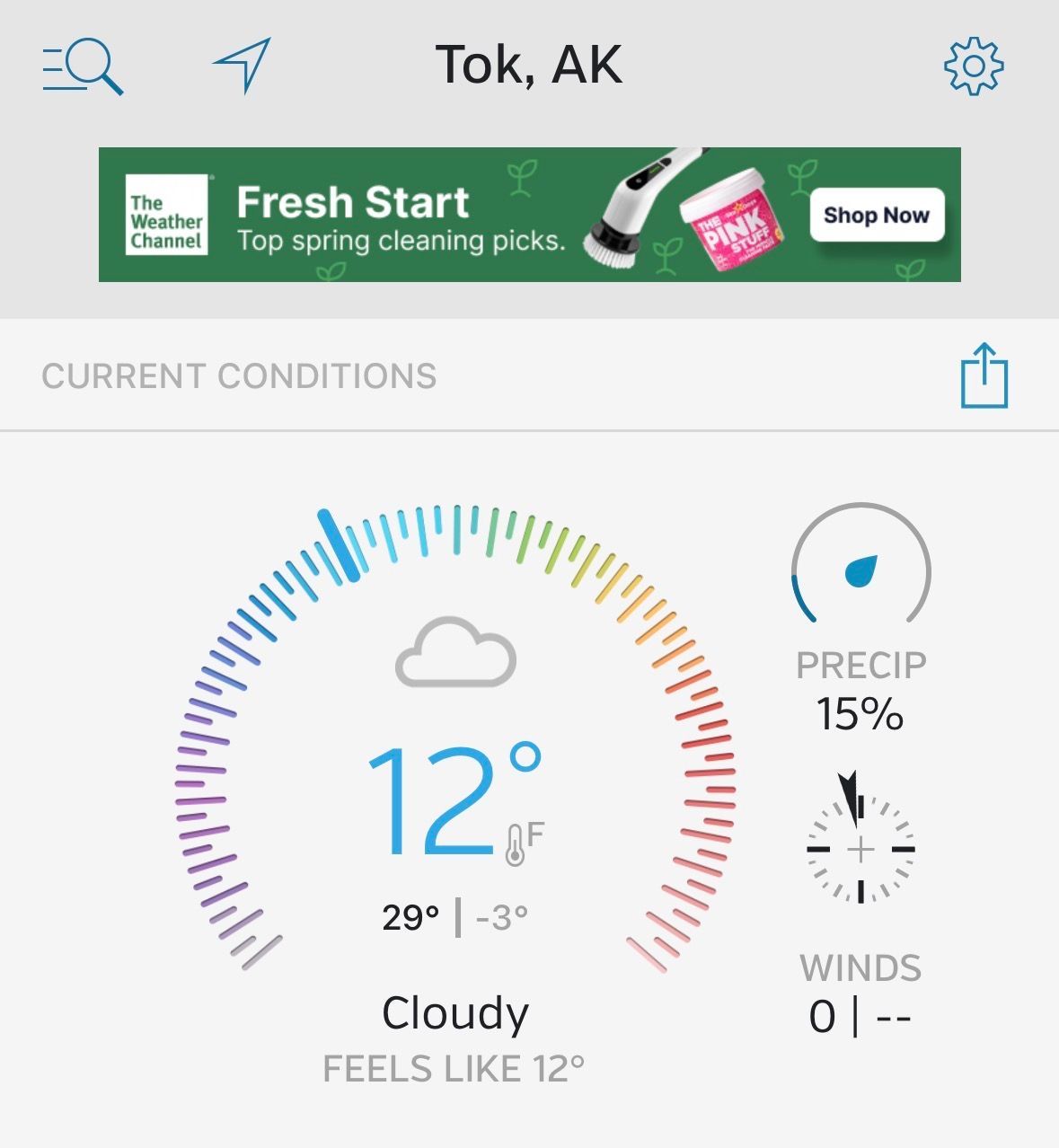
Springtime in Alaska means my first morning run above zero in over 6 months!
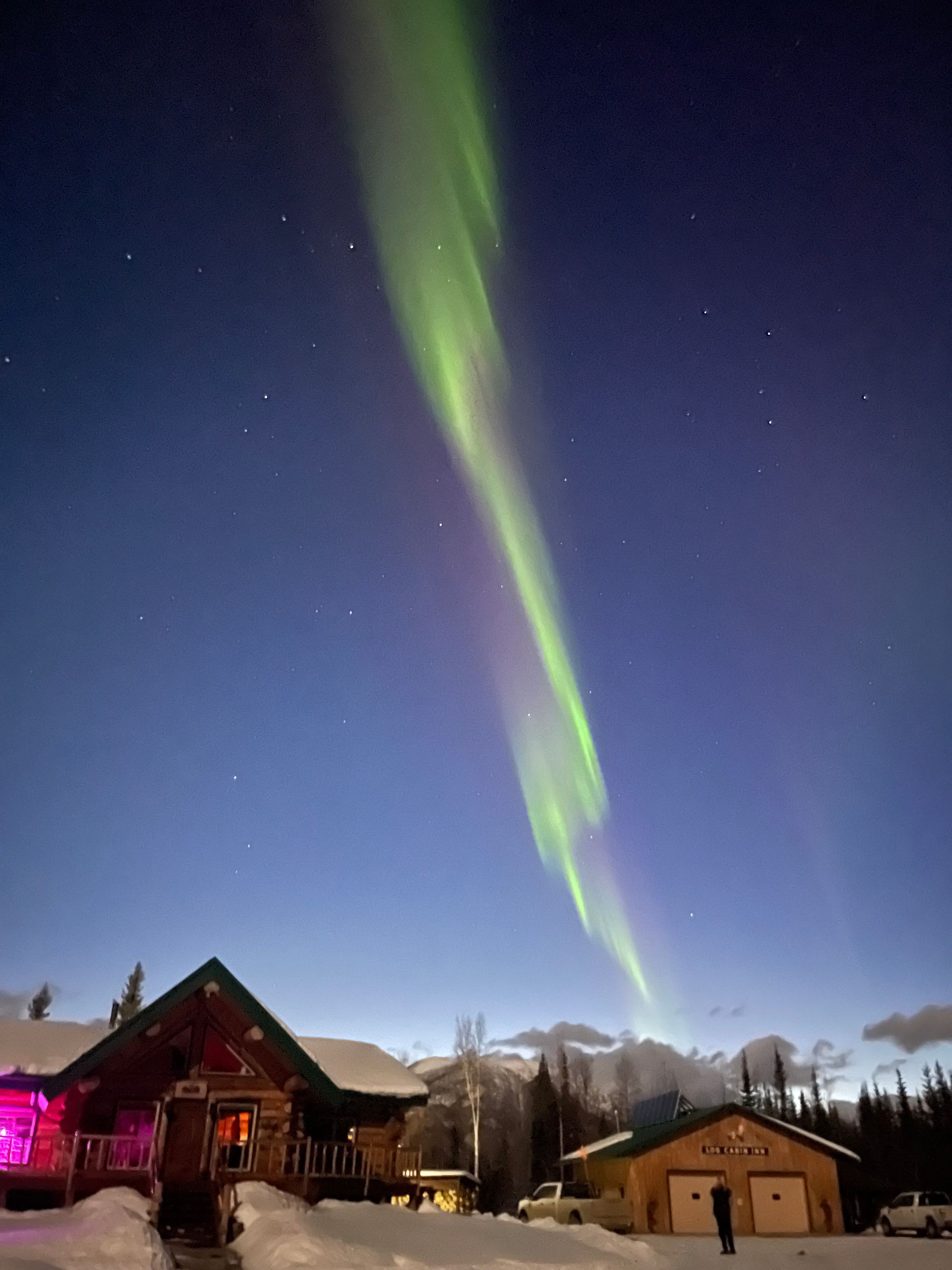
Interior Alaska is your best bet to see the Aurora Borealis

Christmas in Tok, Alaska is pretty real to kids - they drive through the town of "North Pole" every time they go shopping in Fairbanks, 4 hours away. But sometimes Santa needs some help, even in Alaska!
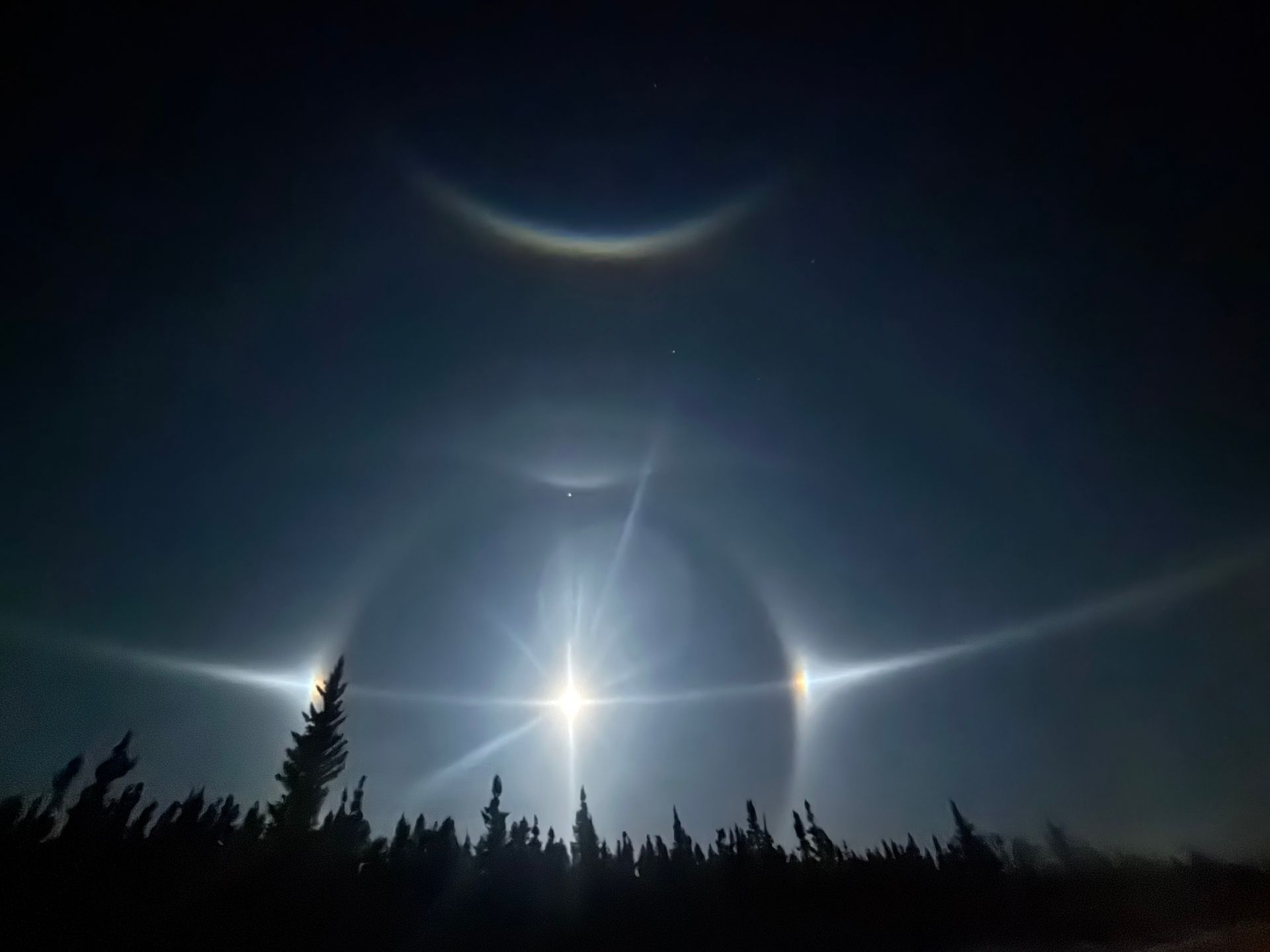
Once in a while you're in the right place at just the right time
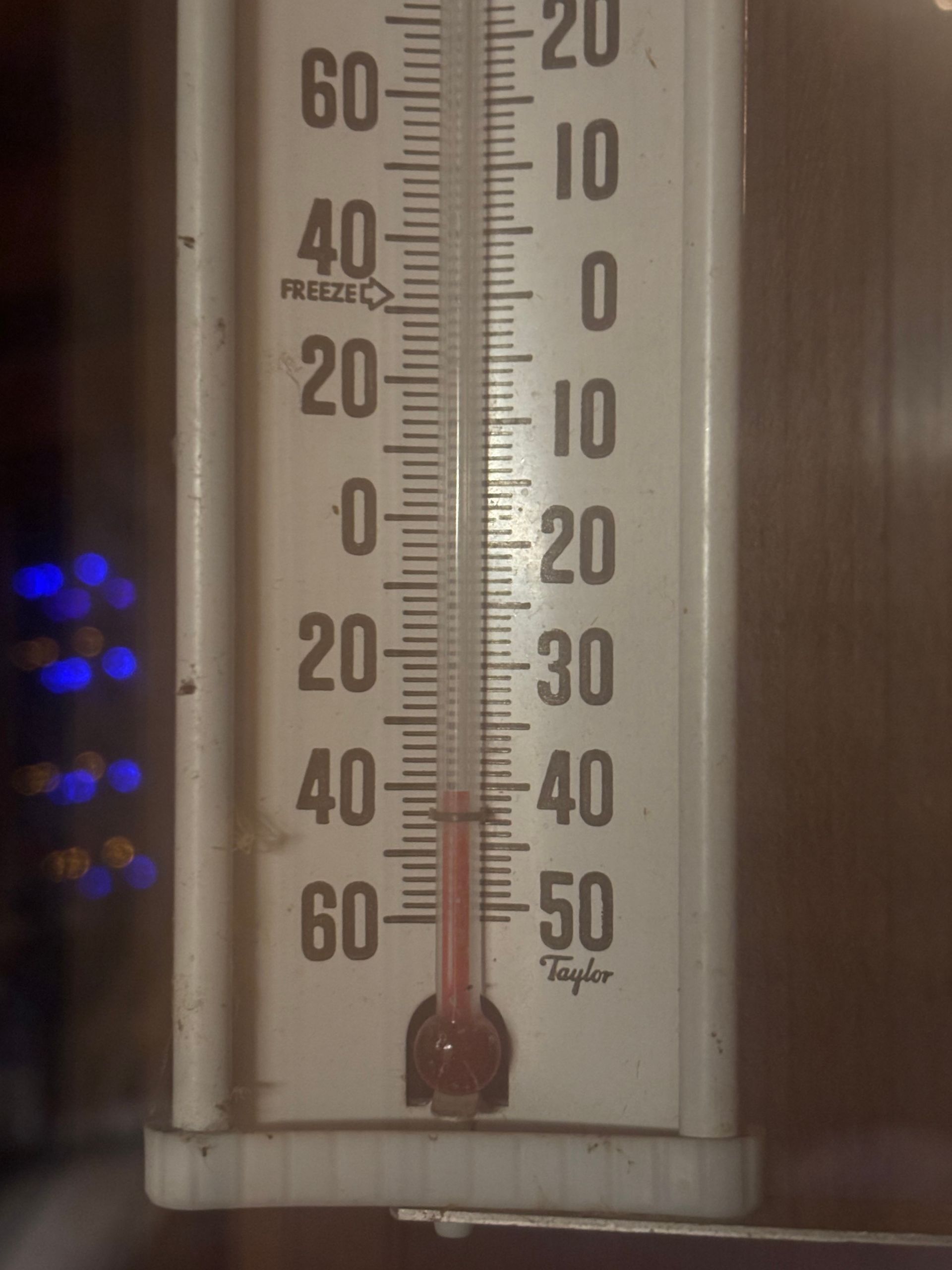
Experience winter living in Tok, AK with stunning views & community spirit. Book direct for the best rates at our lodge!